Demolition Services in Baraboo, WI
Professional Demolition Services by American Container LLC
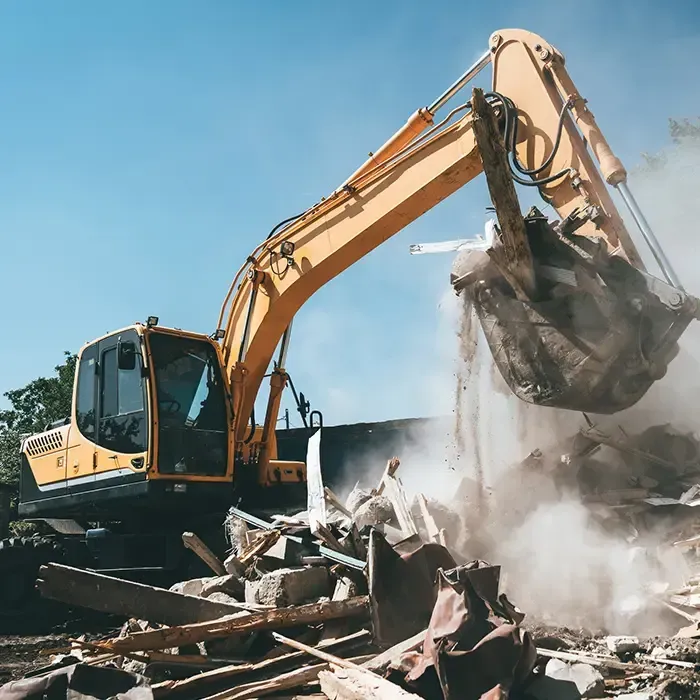
American Container LLC provides demolition services in Baraboo, Wisconsin, supporting residential, commercial, and structural removal projects throughout the surrounding region. The service involves the controlled removal of buildings, interior structures, and selected exterior components to prepare properties for renovation, redevelopment, or complete reconstruction.
Demolition work is carried out with attention to site conditions, structural type, and material composition. In Baraboo and nearby areas such as Wisconsin Dells, Portage, Reedsburg, Sauk City, and Prairie du Sac, demolition projects often range from small interior tear-outs to full structure removals depending on property requirements and redevelopment plans.
Each demolition project is planned according to structural layout and accessibility. The process involves evaluating building materials, identifying load-bearing elements, and coordinating debris removal to ensure that the site is cleared efficiently for the next phase of construction or land use.
Structural and Interior Demolition Applications
Demolition services cover a range of structural removal needs depending on the type of building and the intended outcome of the project. These applications vary significantly between residential properties, commercial spaces, and renovation-focused work.
Residential Demolition Work
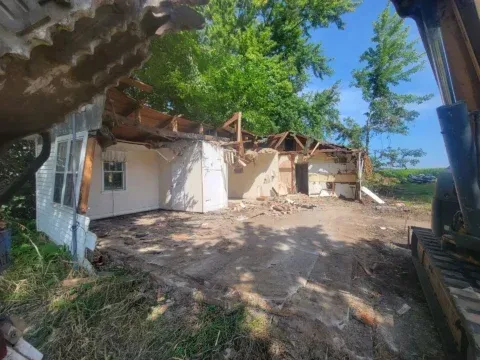
Residential demolition includes the removal of houses, garages, sheds, and small outbuildings. These projects often involve either complete structure removal or partial teardown depending on renovation or rebuilding plans. Materials such as wood framing, roofing systems, drywall, and concrete foundations are addressed based on structural requirements.
Commercial Building Demolition
Commercial demolition includes the dismantling of retail spaces, office interiors, warehouses, and older commercial structures. These projects often require staged removal to manage structural stability and maintain controlled access throughout the demolition process.
Interior Demolition and Selective Removal
Interior demolition focuses on removing non-structural components within existing buildings. This includes flooring, cabinetry, ceilings, partition walls, and mechanical fixtures. Selective demolition is used when preserving the main structural framework while preparing the space for remodeling or redesign.
Exterior and Partial Structure Removal
Partial demolition may involve removing exterior sections such as roofing systems, decks, porches, or additions. This type of work is commonly used when modifying existing structures or preparing for expansion projects.
Demolition Planning and Site Preparation
Demolition projects require structured planning to ensure that the work is carried out in a controlled and organized manner. Site preparation is a critical phase that addresses structural assessment, access conditions, and material handling considerations.
Structural Assessment and Planning
Before demolition begins, the structure is evaluated to determine material composition, construction type, and potential load-bearing components. This assessment helps define the sequence of removal and ensures that the process aligns with project requirements.
Site Access and Equipment Positioning
Access to the site is arranged to accommodate machinery, transport vehicles, and debris removal equipment. This includes identifying entry points, clearance areas, and staging zones for material handling during the demolition process.
Controlled Removal Sequence
Demolition is carried out in a controlled sequence to maintain structural stability during the process. This includes removing non-load-bearing elements first, followed by progressive dismantling of larger structural components.
Utility Disconnection and Safety Preparation
Utility systems such as water, electrical, and gas connections are addressed prior to demolition activity. Proper disconnection is required to ensure safe conditions during structural removal and debris handling operations.
Debris Handling and Material Removal Process
Demolition generates a significant volume of construction debris that must be managed and transported in accordance with disposal regulations. Material removal is coordinated alongside the demolition process to maintain a clear and workable site
Construction Debris Separation
Materials* such as wood, metal, drywall, concrete, and insulation are generated during demolition activities. These materials are typically separated based on type and disposal requirements to ensure proper handling and transport.
*We do not handle the disposal of shingles.
On-Site Loading and Transport Coordination
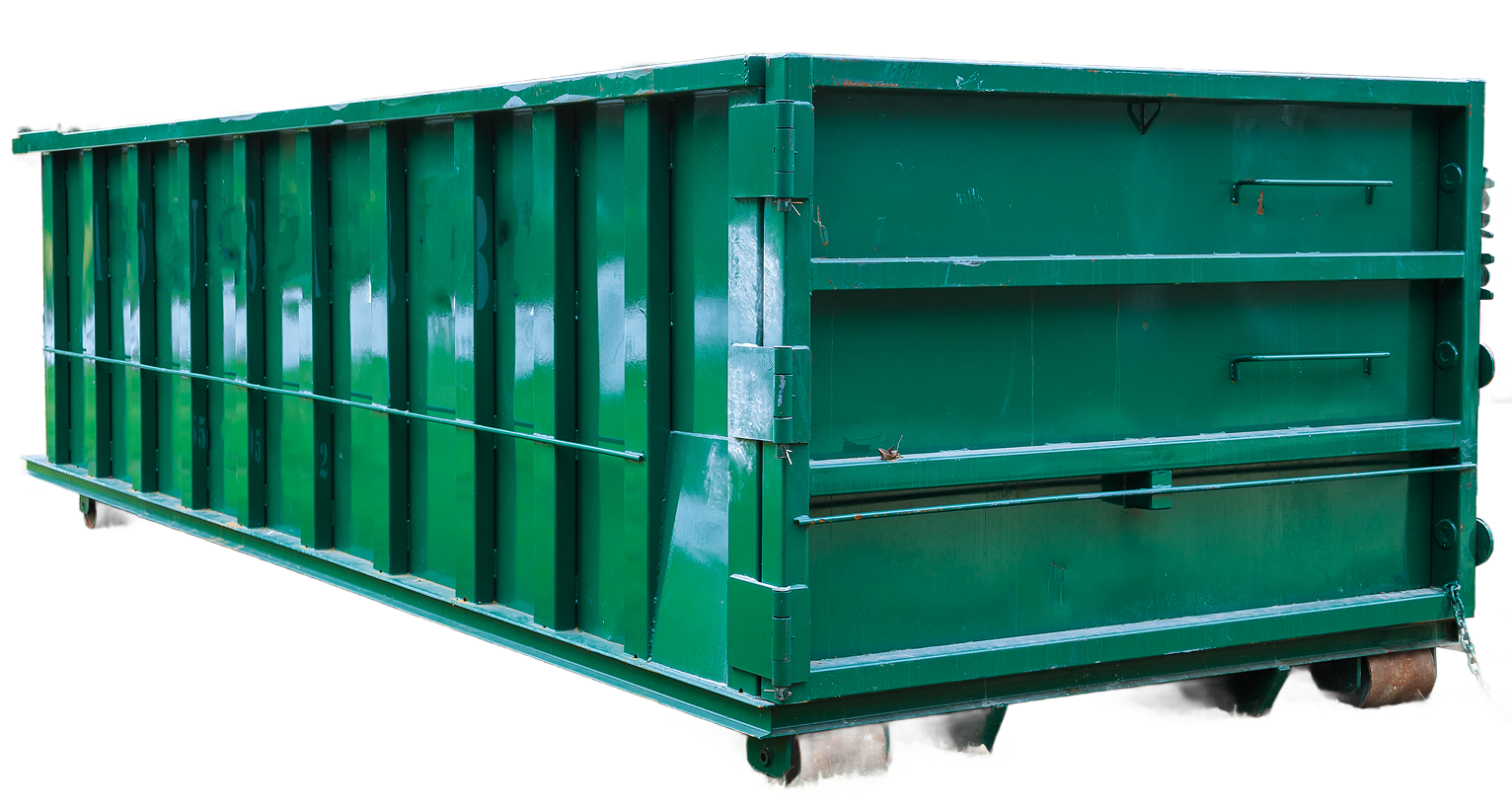
Debris is loaded directly from the demolition site into transport containers for removal. This process is coordinated to prevent accumulation of materials that could obstruct ongoing demolition work.
Recycling and Disposal Handling
Certain demolition materials may be directed toward recycling facilities depending on material composition and local disposal guidelines. Concrete and metal components are commonly processed separately from general waste materials.
Site Clearing and Final Cleanup
Once demolition is completed, remaining debris is removed and the site is cleared to prepare for future construction or land development activities. This includes removing residual materials and ensuring the area is left in a stable condition.
Service Coverage Across Baraboo and Surrounding Communities
Demolition services provided by American Container LLC extend throughout Baraboo and surrounding areas in Sauk County, ensuring consistent access to structural removal support across both residential and commercial sectors.
Baraboo Demolition Projects
In Baraboo, demolition services are used for property redevelopment, aging structure removal, and renovation preparation. Projects range from single-building tear-downs to interior remodeling support for residential and commercial properties.
Wisconsin Dells and Tourism Property Upgrades
In Wisconsin Dells, demolition work often supports hospitality renovations, seasonal property updates, and commercial redevelopment driven by tourism activity.
Portage and Industrial Site Work
Portage demolition projects frequently involve industrial buildings, warehouse structures, and older commercial facilities requiring structured removal processes.
Reedsburg, Sauk City, and Prairie du Sac Coverage
In Reedsburg, Sauk City, and Prairie du Sac, demolition services are used for residential redevelopment, farm structure removal, and small commercial renovation preparation. Each project is coordinated based on site access and material disposal requirements.
Project Coordination and Scheduling
Demolition scheduling is arranged based on project scope, site readiness, and structural conditions. Coordination includes evaluating building type, determining the demolition approach, and aligning debris removal logistics with project timelines.
Scheduling also accounts for access conditions, surrounding structures, and municipal considerations where applicable. Each demolition project is planned to ensure that removal work aligns with subsequent construction or site development phases.
Once demolition is completed, the site is transitioned into a cleared state suitable for rebuilding, landscaping, or further development activities depending on project goals.